
4
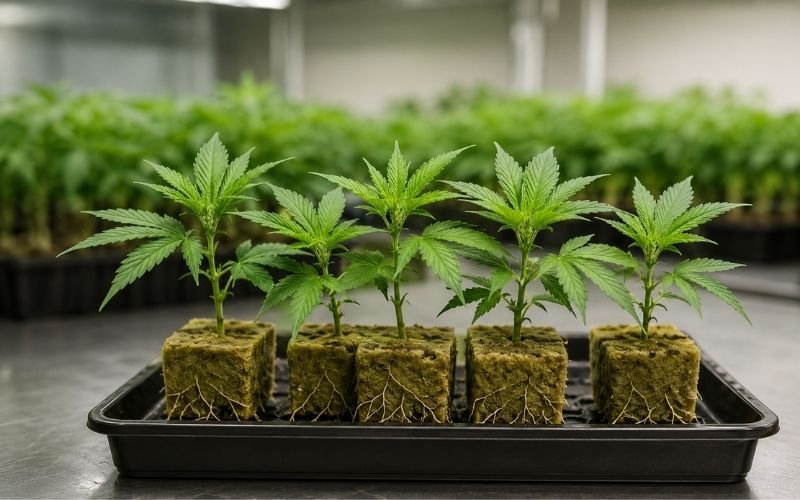
Finding out where to buy cannabis clones in Canada is only the first step. With more growers looking for established plants instead of starting from seed, online clone suppliers have become an increasingly common option.
But choosing a cannabis clone supplier should not be based on price or strain selection alone. The quality of the clone, its genetics, root development, shipping process, and the reputation of the seller can all make a difference to your growing experience.
If you are considering buying cannabis clones online, knowing what to look for can help you avoid poor-quality plants and choose a supplier with greater confidence.
This guide covers the key things to consider when searching for cannabis clones in Canada.
Why Buy Cannabis Clones Instead of Seeds?
Before deciding where to buy clones, it helps to understand why some growers choose clones over seeds.
A cannabis clone is produced from a cutting taken from a mature mother plant. Once the cutting develops roots, it becomes an independent young plant with genetics closely matching the original mother.
Seeds, on the other hand, require germination and early plant development before the plant becomes established.
For some growers, starting with a rooted clone can offer several advantages:
- An established starting point
- Consistent genetics
- No need to germinate seeds
- A potentially faster start to vegetative growth
- Access to specific cultivars
- More predictable characteristics when the source genetics are reliable
However, a clone is only as good as the plant and propagation process behind it. A poorly maintained clone can create more problems than a healthy seedling.
Where to Buy Cannabis Clones in Canada
When researching where to buy cannabis clones in Canada, you will generally encounter different types of suppliers.
These can include licensed cannabis businesses, specialized clone providers, and online retailers that offer immature cannabis plants where permitted by applicable laws.
The first consideration should always be legality.
Canada’s cannabis framework allows adults of legal age to cultivate up to four cannabis plants per household under federal rules, but provinces, territories, municipalities, landlords, and condominium authorities may impose additional restrictions.
Before purchasing, confirm that the supplier and product are permitted in your location and that you are legally allowed to cultivate cannabis.
Health Canada recommends obtaining cannabis seeds or immature flowering plants from legal sources. (canada.ca)
Once legality is established, you can evaluate the supplier based on quality and service.
1. Look for Healthy, Well-Established Clones
The physical condition of a clone should be one of your biggest considerations.
A healthy clone should generally have:
- Strong stems
- Healthy foliage
- Good root development
- No obvious mould
- No visible pest infestation
- No severe leaf damage
- No major signs of dehydration or stress
Do not assume that a clone is healthy simply because it is advertised as “premium” or “top quality.”
Look for photographs, product information, and descriptions that give you a realistic idea of what you are purchasing.
If possible, find out how long the plant has been rooted and whether it has been properly established before shipping.
2. Check the Genetics
Genetics are another major consideration when deciding where to buy cannabis clones in Canada.
A reputable supplier should provide clear information about the cultivar rather than simply giving it a name.
Depending on the product, you may want information about:
- Genetic lineage
- Expected growth characteristics
- Flowering behaviour
- Plant structure
- Aroma profile
- Typical size
- Cultivation characteristics
This information helps you decide whether the plant is suitable for your particular growing environment.
Keep in mind that a plant’s actual performance can vary depending on lighting, temperature, humidity, nutrients, growing medium, training, and other environmental factors.
3. Research the Supplier’s Reputation
Before ordering, spend some time researching the company itself.
This is particularly important when purchasing live plants online.
Search for independent customer reviews and look beyond the testimonials published on the supplier’s own website.
Pay attention to comments about:
- Clone health
- Root development
- Packaging
- Shipping times
- Customer service
- Product accuracy
- Communication
- How problems were handled
A supplier with a strong reputation should have a history that can be evaluated rather than relying entirely on marketing claims.
4. Pay Attention to Shipping and Packaging
Shipping live plants is more complicated than shipping ordinary products.
A clone can experience stress from handling, temperature changes, delays, and unsuitable packaging.
Before placing an order, find out:
- How clones are packaged
- Which shipping services are used
- Expected delivery times
- Whether shipping varies by province
- What happens if a plant arrives damaged
- Whether the company provides support after delivery
A clear shipping policy is a good sign because it tells you what to expect before placing an order.
5. Compare Clone Prices Carefully
Price matters, but it should not be the only factor.
When comparing suppliers, look at the complete package rather than simply choosing the cheapest clone.
A low-priced clone may not represent good value if it arrives poorly rooted, stressed, mislabeled, or inadequately packaged.
Instead, compare:
Clone quality: Is the plant healthy and established?
Genetics: Is the cultivar information clear?
Shipping: Is the plant packaged appropriately?
Customer service: Can you get help if there is a problem?
Reputation: Do customers consistently report positive experiences?
A slightly higher price may be worthwhile if it comes with better plant quality and service.
6. Make Sure the Product Information Is Clear
A professional supplier should make it easy to understand what you are buying.
Avoid websites that provide very little information about their clones.
Good product descriptions may explain:
- Cultivar name
- Genetics
- Plant characteristics
- Clone size or stage
- Rooting status
- Availability
- Shipping information
- Applicable restrictions
Clear information allows customers to make informed decisions instead of relying on assumptions.
7. Look for Real Customer Reviews
Customer reviews can provide useful insight into the actual buying experience.
When reading reviews, do not focus only on the overall rating.
Look for detailed feedback.
For example, a review mentioning that the clone arrived healthy, was well rooted, and survived shipping provides much more useful information than a simple “great product” comment.
You can also search for discussions about the supplier outside its own website.
The goal is to determine whether customers consistently receive what they ordered.
8. Understand the Supplier’s Guarantee or Replacement Policy
Live plants are vulnerable during transportation.
Even a properly prepared clone can experience problems during shipping.
Before buying, read the supplier’s policy regarding:
- Damaged plants
- Dead-on-arrival products
- Shipping delays
- Replacement requests
- Refunds
- Required photographs or documentation
Do not wait until there is a problem to discover that the supplier has strict requirements for reporting damaged plants.
Understanding the policy beforehand can save you frustration later.
9. Check Provincial and Local Cannabis Rules
One of the most important steps when deciding where to buy cannabis clones in Canada is checking the rules that apply to you.
Federal regulations provide a baseline, but cannabis laws are not identical across the country.
Provincial and territorial governments can establish additional rules around home cultivation. Municipal bylaws and property-specific rules may also affect cultivation.
For example, your rental agreement or condominium rules could restrict growing cannabis even when federal law permits personal cultivation.
Before ordering, verify the current requirements for your province, territory, and municipality.
Cannabis Clones Canada: Questions to Ask Before Buying
If you have narrowed your search to a few suppliers, asking the right questions can make the decision easier.
Consider asking:
Are the clones fully rooted?
A properly rooted clone is generally easier to establish than an unrooted cutting.
How are the clones propagated?
Understanding the propagation process can provide useful information about plant quality and consistency.
What genetics are being used?
Ask for clear information about the cultivar and its genetic background.
How are clones packaged?
This is particularly important if the plants are being shipped.
How long does delivery normally take?
The shorter and more predictable the shipping process, the easier it is to plan for the plant’s arrival.
What happens if the clone arrives damaged?
Read the replacement or refund policy before placing an order.
Are there provincial shipping restrictions?
A supplier should clearly explain where it can legally ship its products.
Red Flags to Watch For
Knowing what to avoid is just as important as knowing what to look for.
Be cautious if a supplier:
- Provides almost no information about its clones
- Makes unrealistic claims
- Has no clear shipping policy
- Has no customer service contact information
- Uses only generic plant photographs
- Has consistently poor customer reviews
- Avoids questions about genetics
- Does not explain its replacement or refund policy
- Gives unclear information about legal compliance
One red flag does not necessarily prove that a supplier is unreliable, but several together should make you reconsider the purchase.
How to Prepare Before Your Clone Arrives
Buying a quality clone is only part of the process.
Your growing environment should be ready before the plant arrives.
Prepare an appropriate growing area and make sure you understand the basic requirements for maintaining a young cannabis plant.
Consider:
- Lighting
- Temperature
- Humidity
- Air circulation
- Growing medium
- Container
- Watering routine
- Space available for plant growth
Having everything prepared means you can focus on helping the clone adjust rather than trying to set up your growing area after delivery.
What to Do When Your Clone Arrives
When the package arrives, inspect the plant carefully.
Look for signs of:
- Shipping damage
- Wilting
- Broken stems
- Pest activity
- Mould
- Excessive dryness
- Root problems
If the supplier requires photographs for damage claims, document the condition of the plant immediately.
Give the clone time to adjust to its new environment rather than immediately making significant changes.
Transportation can stress a young plant, so stable conditions are generally preferable during the adjustment period.
Cannabis Clones vs. Seeds: Which Is Better?
There is no universal answer.
| Factor | Clones | Seeds |
|---|---|---|
| Starting point | Young established plant | Seed |
| Germination | Not required | Required |
| Genetics | Closely match mother plant | Can vary |
| Initial growth | Already started | Starts from germination |
| Selection | Specific existing genetics | Greater genetic variation |
| Convenience | Can be convenient | Requires additional early-stage care |
If you already know which genetics you want and prefer starting with an established plant, clones may make sense.
If you enjoy starting plants from the beginning or want to explore genetic variation, seeds may be preferable.
Frequently Asked Questions
Where can I buy cannabis clones in Canada?
Cannabis clones may be available from legal cannabis businesses and specialized suppliers, depending on your location and applicable regulations. Always verify that the supplier and product are legal and that cultivation is permitted where you live.
What should I look for when buying cannabis clones?
Focus on plant health, root development, genetics, supplier reputation, shipping practices, customer reviews, and clear replacement or refund policies.
Are cannabis clones better than seeds?
Clones provide an established starting point and consistent genetics, while seeds offer the experience of starting from germination and may provide greater genetic variation. The better choice depends on your goals and growing environment.
How do I know if an online clone supplier is trustworthy?
Look for transparent product information, real customer reviews, clear shipping policies, accessible customer support, information about genetics, and straightforward refund or replacement terms.
Can cannabis clones be shipped across Canada?
Shipping availability depends on the supplier, destination, product, and applicable laws. Check the supplier’s current shipping policy and make sure the purchase complies with the rules in your province or territory.
How many cannabis plants can I grow at home in Canada?
Under federal rules, adults of legal age can grow up to four cannabis plants per household, but provincial, territorial, municipal, rental, and condominium restrictions may apply. Always verify the rules where you live. (canada.ca)
Final Thoughts
Knowing where to buy cannabis clones in Canada is important, but knowing how to evaluate a supplier is even more valuable.
A quality clone should come from a reputable source, have healthy roots and foliage, and be supported by clear information about its genetics and care. The supplier should also have transparent shipping policies, customer reviews, and a clear process for handling damaged plants.
Most importantly, make sure your purchase and cultivation plans comply with the laws that apply to your location.
If you are researching Canadian clone options, take the time to compare suppliers rather than choosing the first result you find. A little research before ordering can help you start with a healthier plant and a better overall experience.
For Canadian growers researching quality clone options, visit Cannabis Clones Canada to explore available products and learn more about the selection available for Canadian customers.