
Blog, Cannabis Clones, Cultivation Techniques
9
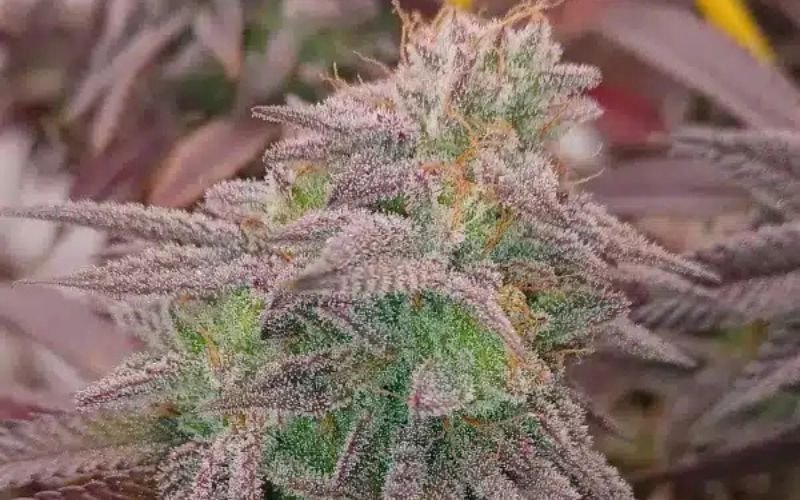
Choosing healthy starting material is an important consideration for anyone researching cannabis cultivation. While some growers begin with seeds, others look for rooted cannabis clones because they offer an established starting point and can preserve the characteristics of a selected mother plant.
But what exactly are rooted cannabis clones? How do they differ from unrooted cuttings, and what should you know before purchasing them?
Understanding the basics can help you evaluate plant health, compare suppliers, and make a more informed decision when exploring cannabis clones in Canada.
In this guide, we explain what rooted cannabis clones are, why root development matters, what to look for when comparing products, and how to choose a reliable supplier.
What Are Rooted Cannabis Clones?
Rooted cannabis clones are young cannabis plants grown from cuttings taken from a parent plant, commonly called a mother plant. The cutting develops its own roots and becomes an independent plant.
Because the cutting comes from an existing plant, it generally retains the parent plant’s genetic characteristics. This makes cloning a way to reproduce a selected genetic line without starting from seed each time.
A rooted clone differs from an unrooted cutting because it has already developed roots. However, the degree of root development and the plant’s overall condition can vary between individual plants and suppliers.
For buyers, understanding this distinction is useful when comparing product listings.
A healthy rooted clone should have clear information about its condition, genetic identity, and how it has been maintained. The word “rooted” alone does not guarantee that a plant is vigorous, pest-free, or free of pathogens.
How Are Cannabis Clones Produced?
Cannabis cloning involves taking a cutting from a parent plant and providing suitable conditions for it to develop roots.
The cutting contains plant tissue capable of producing new roots under appropriate conditions. Once roots form, the young plant can establish itself as an independent individual.
Commercial suppliers may maintain selected mother plants to produce clones with consistent genetics. The quality of the original plant, the cleanliness of the propagation environment, and ongoing plant-health management all influence the quality of the resulting material.
When evaluating a supplier, consider whether it explains how mother plants are maintained and what measures are used to monitor pests and plant pathogens.
Good propagation practices are an important part of producing reliable starting material, although they cannot guarantee that every individual plant will be problem-free.
Rooted vs. Unrooted Cannabis Clones
One of the main differences between rooted and unrooted clones is whether the cutting has developed its own root system.
| Feature | Rooted cannabis clones | Unrooted cannabis cuttings |
| Root development | Roots have formed | Roots have not yet formed |
| Plant establishment | Already has some root development | Still needs to develop roots |
| Product condition | Should be assessed for root health and overall condition | Requires evaluation of cutting condition and handling |
| Buyer considerations | Root quality, plant health, and establishment | Propagation requirements and the condition of the cutting |
| Genetic characteristics | Generally reflect the parent plant | Generally reflect the parent plant |
Neither category guarantees better long-term performance. Genetics, plant health, handling, and environmental conditions remain important.
For buyers who prefer an established starting plant, rooted clones may be easier to evaluate because root development has already occurred.
Why Root Development Matters
Roots are essential to a plant’s ability to absorb water and nutrients and maintain normal growth. A clone with an established, healthy root system has already passed an important stage of plant development.
However, the appearance and condition of the roots matter more than simply confirming that roots exist.
1. Root Development Is an Important Sign of Establishment
Root development indicates that a cutting has begun functioning as an independent plant. It gives buyers useful information about the plant’s current stage.
However, root development alone does not prove that a plant is free from disease or that it will adapt successfully to every environment.
2. Roots Support Water and Nutrient Uptake
A functioning root system helps the plant obtain water and essential nutrients. Root damage or poor root health can interfere with these processes.
When evaluating a rooted clone, consider the supplier’s description of the plant’s condition and any available information about its handling and maintenance.
3. Root Health Can Influence Plant Vigor
Healthy roots contribute to normal plant development. Damaged, deteriorating, or diseased roots may indicate an underlying problem.
This is why a supplier’s plant-health practices are important when comparing rooted cannabis clones.
4. Rooting Does Not Guarantee Overall Plant Health
A plant can have visible roots and still carry pests or pathogens. Some problems may not be apparent during a basic visual inspection.
Ask suppliers about their pest-monitoring practices, mother-plant management, and relevant pathogen testing. This is especially important when evaluating cannabis starting material from an unfamiliar source.
Benefits of Choosing Rooted Cannabis Clones
Rooted clones offer several potential advantages, depending on the buyer’s goals and the quality of the plant.
A Head Start Compared With Seeds
Rooted clones have already passed the germination and initial rooting stages. This can make them an appealing option for people who prefer to begin with an established young plant.
The time saved varies according to the starting material and its condition. Rooted clones still need suitable conditions to establish and continue developing.
More Consistent Genetics
Clones taken from the same mother plant generally share the same genetic makeup. This can make them useful for reproducing selected genetic characteristics.
However, genetic consistency does not mean every plant will look or perform identically. Environmental conditions, plant health, and other factors can affect development.
A Known Genetic Line
A clearly identified clone gives buyers a specific genetic line to investigate before making a purchase.
Reliable strain information helps people compare varieties based on documented characteristics rather than relying entirely on marketing descriptions.
An Established Starting Point
Because rooted clones already have roots, buyers can assess an additional aspect of the plant’s condition before purchasing.
This does not remove the need to check leaf condition, visible pests, genetic information, and the supplier’s handling practices.
What Should You Check Before Buying Rooted Cannabis Clones?
Not all rooted clones are of the same quality. Before making a purchase, review the following factors.
Root Condition
Ask how established the roots are and how the plant has been maintained. Where roots are visible, look for signs of healthy development rather than damaged or deteriorating tissue.
A photograph can provide some information, but it cannot replace reliable supplier documentation or a full plant-health assessment.
Leaf and Stem Condition
Look for clear product photographs and information about the plant’s current condition. Unusual discolouration, spotting, visible pests, or damaged stems may warrant further questions.
A normal appearance is encouraging but cannot rule out every underlying problem.
Genetic Identity
Check whether the supplier provides a clear strain name and relevant genetic information.
Strain names can sometimes be used inconsistently between sellers. Ask for clarification if the genetic identity or lineage is unclear.
Pest and Pathogen Screening
Cannabis clones can carry pests or plant pathogens from their source material.
Hop Latent Viroid (HLVd) is one example of a pathogen relevant to cannabis cultivation. It may affect plant growth and productivity, and an infected plant may not show obvious symptoms.
Ask whether the supplier conducts relevant testing, what the testing covers, and how frequently it is performed. No testing programme should be treated as an absolute guarantee that every plant is pathogen-free.
Shipping and Packaging
Live plants may be affected by handling and transportation. Before ordering online, review the supplier’s shipping arrangements, packaging practices, delivery information, and policies for damaged arrivals.
Understanding these terms in advance can help you compare suppliers more fairly.
Rooted Cannabis Clones vs. Seeds: Which Should You Choose?
The right starting material depends on what you value most.
| Consideration | Rooted clones | Seeds |
| Starting point | A young plant with developed roots | A seed that must germinate |
| Genetic consistency | Generally high when sourced from the same mother plant | Depends on seed type and genetics |
| Genetic selection | Useful for obtaining a known genetic line | Offers a range of genetic lines and potential variation |
| Plant-health concerns | Source-plant pests and pathogens require attention | Seed quality and seedling health require attention |
| Initial development | Skips germination and rooting of a cutting | Includes germination and early seedling development |
Rooted clones may appeal to buyers who value an established starting point and consistent genetics. Seeds may suit those who want to explore genetic variation or different breeding lines.
Neither option guarantees a specific yield, potency, or final plant quality. The condition of the starting material and the growing environment still matter.
How to Choose a Reliable Cannabis Clone Supplier in Canada
When comparing suppliers, focus on transparency and the quality of the information they provide.
1. Review the product catalogue. Check current varieties, descriptions, and prices.
2. Look for clear genetic information. A specific strain name and supporting details are more useful than broad promotional claims.
3. Ask about plant-health practices. Check whether the supplier monitors mother plants, screens for pests, and performs relevant pathogen testing.
4. Understand the shipping policy. Review packaging, delivery terms, and the procedure for reporting a damaged or unhealthy arrival.
5. Check the guarantees. Understand what any live-arrival or replacement policy covers, including applicable deadlines and exclusions.
6. Verify legal purchasing requirements. Cannabis starting-material rules differ across Canada. Confirm that the supplier and the intended purchase comply with the laws applicable to your location.
These checks can help you compare options without assuming that price, popularity, or a product label alone establishes quality.
Where Can You Find Rooted Cannabis Clones in Canada?
Cannabis Clones Canada provides an online catalogue for people researching available cannabis clone varieties.
When reviewing the catalogue, check the current product descriptions, displayed prices, availability, and shipping terms. If you are specifically looking for rooted clones, confirm the root development and condition described for the individual product rather than assuming every listing has identical characteristics.
Explore the available options through the Cannabis Clones Canada website.
Before placing an order, verify the applicable purchasing requirements in your province or territory and review the supplier’s policies.
Frequently Asked Questions
What is a rooted cannabis clone?
A rooted cannabis clone is a young plant produced from a cutting taken from a parent plant that has developed its own roots. It generally retains the parent plant’s genetic characteristics.
Are rooted cannabis clones better than unrooted cuttings?
Rooted clones have already developed roots, whereas unrooted cuttings still need to develop them. Which option is more suitable depends on the plant’s condition, the buyer’s requirements, and the supplier’s practices.
Do rooted cannabis clones grow faster than seeds?
Rooted clones skip the seed germination and initial rooting stages, which can provide a head start. The overall development rate depends on the plant’s condition, genetics, and environmental conditions.
Do all rooted clones have the same genetics?
Clones taken from the same mother plant generally share the same genetic makeup. However, environmental conditions and plant health can lead to differences in development and performance.
Can rooted cannabis clones still carry pests or diseases?
Yes. Root development does not guarantee that a plant is free of pests or pathogens. Ask about the supplier’s plant-health practices and relevant testing before purchasing.
What should I look for when buying rooted cannabis clones online?
Review root development, overall plant condition, genetic information, pest and pathogen screening practices, shipping terms, and any guarantees offered by the supplier.
Where can I find cannabis clones in Canada?
You can explore the Cannabis Clones Canada website to review current product listings and supplier information. Confirm availability, product details, and legal purchasing requirements before ordering.
Final Thoughts
Rooted cannabis clones offer an established starting point for people researching cannabis cultivation. Their main advantages include skipping the initial rooting stage and maintaining the genetic characteristics of a selected mother plant.
However, the presence of roots is only one part of plant quality. Genetic identity, root condition, overall plant health, pathogen screening, and careful handling all deserve attention when comparing products.
If you are considering rooted cannabis clones, review the available product information, ask questions about plant-health practices, and check the applicable legal requirements before making a purchase.
Explore Cannabis Clones Canada to compare available listings and learn more about the options offered.