
Blog, Cannabis Clones, Cultivation Techniques
10
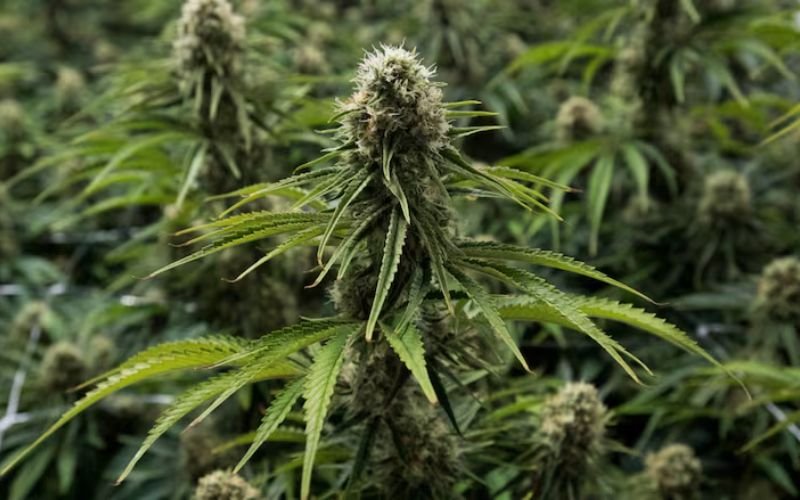
Choosing the right cannabis strain is an important decision when researching cannabis cultivation. With so many varieties available, it can be difficult to know which one best matches your growing environment, available space, and personal preferences.
Some strains are known for particular aroma profiles, while others are selected for their genetic background, plant structure, or flowering characteristics. However, a strain’s name alone does not guarantee how an individual plant will develop.
For people considering cannabis clones, understanding the genetics and characteristics of a variety can make it easier to compare available options before purchasing.
In this guide, we explain the key factors to consider when choosing a cannabis strain, how genetics influence plant characteristics, and what to look for when comparing cannabis clones in Canada.
Why Choosing the Right Cannabis Strain Matters
Cannabis strains can differ in genetic background, growth patterns, flowering characteristics, aroma, and other traits. Selecting a variety that suits your circumstances helps you make a more informed decision about the starting material you choose.
The right choice depends on several factors:
- Your available growing space
- Whether the intended environment is indoors or outdoors
- The characteristics documented for the genetic line
- Your preferences for aroma and flavour
- The reliability of the supplier’s strain information
- The health and condition of the clone
There is no single best cannabis strain for every grower. A variety that suits one environment or preference may not be the right fit for someone else.
1. Consider Your Growing Environment
Your growing environment is one of the first things to consider when comparing cannabis strains.
Indoor and outdoor environments have different characteristics, and individual strains may vary in their suitability for each setting.
Indoor Growing
Indoor environments allow greater control over lighting, temperature, humidity, and ventilation. However, available space and equipment can limit which plant characteristics are practical for a particular setup.
When researching a strain for an indoor environment, look for reliable information about:
- Typical plant size and structure
- Documented flowering characteristics
- Environmental requirements
- Expected variation between plants
- Suitability for the space you have available
Do not assume that every plant carrying the same strain name will have identical growth characteristics.
Outdoor Growing
Outdoor cultivation depends on local climate, seasonal temperatures, daylight, rainfall, and frost risk.
For example, Ontario growers need to consider differences between southern and northern regions. A variety’s documented flowering period and environmental suitability may be particularly relevant where the outdoor season is limited.
Before selecting a strain for outdoor cultivation, review regional climate information and the characteristics documented for that genetic line.
2. Understand Cannabis Genetics
Genetics influence many of the characteristics associated with a cannabis strain. These may include plant structure, flowering behaviour, aroma, and the production of particular compounds.
However, the genetic label is only part of the picture. Environmental conditions, plant health, and variation within a genetic line can also influence the plant’s development.
Indica, Sativa, and Hybrid Labels
Cannabis products are commonly described as indica, sativa, or hybrid.
These labels can provide general background about how a variety is marketed or historically classified, but they are not precise predictors of every plant’s structure, chemical composition, or effects.
For a more informed comparison, consider the documented genetics and available information about the specific variety instead of relying only on these broad categories.
Established Genetics vs. Newer Hybrids
Some growers prefer familiar varieties with established names, while others are interested in newer hybrid genetics.
Established names may make it easier to find descriptions and comparisons, but the same strain name does not necessarily guarantee identical genetics between suppliers.
When comparing options, ask for information about the particular genetic line and whether the supplier can explain its origin.
3. Choose a Strain Based on Plant Characteristics
A strain’s documented characteristics can help you assess whether it is suitable for your intended environment.
Plant Size and Structure
Cannabis varieties can differ in their typical height, branching patterns, and overall structure.
If space is limited, look for reliable information about the plant’s expected dimensions and natural growth pattern. Remember that the final size can vary with genetics and environmental conditions.
Flowering Characteristics
Flowering time can be an important consideration, particularly for outdoor cultivation in regions with a shorter growing season.
Published flowering estimates may differ between genetic lines and suppliers. Check whether a description refers to flowering duration, the complete life cycle, or another measurement.
Avoid treating a general estimate as a guarantee.
Aroma and Flavour Profiles
Different varieties are associated with different aroma and flavour characteristics. Common descriptions include earthy, citrus, fruity, floral, sweet, and pine-like notes.
These descriptions can help narrow your preferences, but the actual profile may vary depending on genetics, cultivation conditions, and post-harvest handling.
Cannabinoid Information
If cannabinoid composition matters to your decision, look for reliable, product-specific laboratory information where available.
A strain name or general product description is not a substitute for laboratory results. THC and CBD content can vary, and advertised figures should not be treated as guarantees for every plant.
4. Consider Your Experience Level
Your familiarity with plant care and environmental management may influence which strain characteristics are most suitable for you.
People new to cannabis cultivation may benefit from choosing clearly documented genetics and a supplier that provides transparent product information.
More experienced growers may place greater emphasis on particular genetic lines, documented plant traits, or comparisons between different varieties.
Regardless of experience, no strain name guarantees that a plant will be problem-free. Starting-material quality and the suitability of the environment remain important.
5. Compare Popular Cannabis Strains
If you are researching cannabis clones, comparing familiar strain names can help you identify varieties worth investigating.
The following examples illustrate commonly associated characteristics. They are not guarantees of performance, and product availability may change.
Pink Kush
Pink Kush is associated with Kush-family genetics and is commonly described using sweet, earthy, and floral aroma notes.
It may interest people who prefer traditional Kush-style varieties.
Blue Zushi
Blue Zushi is a modern hybrid name associated with contemporary cannabis genetics.
When comparing this variety, check the supplier’s information about its specific genetic line rather than assuming that all listings represent identical material.
Permanent Marker
Permanent Marker is a contemporary hybrid often associated with pungent, sweet, and fuel-like aroma descriptions.
It may appeal to people exploring newer hybrid varieties, although the characteristics of individual genetic lines can differ.
Super Boof
Super Boof is commonly associated with fruity and citrus-like aroma notes.
If you are considering this variety, look for clear product information about the genetics and documented plant characteristics.
Pre-98 Death Bubba
Pre-98 Death Bubba is associated with established Bubba-style genetics and is often described using earthy and pungent aroma notes.
Compare the specific genetic information available from the supplier before deciding whether it fits your preferences.
These examples are starting points for research, not a definitive ranking of the best cannabis strains. Confirm which varieties are currently available and review their individual product descriptions.
6. How to Choose the Right Cannabis Clone
Once you have identified a strain that interests you, the next step is to assess the actual clone and the supplier.
A desirable strain name cannot compensate for poor plant health or unclear product information.
Check the Plant’s Condition
Look for information about root development, overall plant condition, and how the plant has been maintained.
Visible signs of pests, unusual discolouration, or damaged tissue may warrant further questions. A visual inspection alone cannot establish that a plant is free from every pest or pathogen.
Ask About Mother-Plant Management
Clones inherit their genetics from the source plant, so the way mother plants are selected and maintained matters.
Ask the supplier how it manages mother plants and whether it monitors plant health over time.
Review Pathogen Testing Practices
Cannabis clones can carry plant pathogens, including Hop Latent Viroid (HLVd).
Ask whether the supplier performs relevant testing, what the tests cover, and how frequently they are conducted. A testing programme can reduce uncertainty but should not be treated as an absolute guarantee that every plant is pathogen-free.
Check Shipping and Guarantees
Live plants may be affected by packaging, handling, and transportation.
Before ordering, review shipping arrangements, delivery information, and any policy covering damaged or unhealthy arrivals. Understand the terms and exclusions before making a purchase.
7. Cannabis Clones vs. Seeds: Which Is Right for You?
Both clones and seeds can be suitable starting materials, but they offer different advantages.
| Factor | Cannabis clones | Cannabis seeds |
| Starting point | A cutting from an established plant | A seed that must germinate |
| Genetic consistency | Generally high among clones from the same mother plant | Depends on the seed type and genetics |
| Genetic variation | Usually lower between clones from the same source | Can vary, depending on genetics |
| Starting-material concerns | Source-plant health and pathogen risks | Seed quality and seedling health |
| Selection considerations | Useful when seeking a known genetic line | Offers access to a wide range of genetic lines |
Clones may suit people who value genetic consistency and want to skip the germination stage. Seeds may be preferable for those interested in genetic variation or exploring breeding lines.
Neither option guarantees a particular yield, potency, or final outcome.
8. Common Mistakes to Avoid When Choosing a Cannabis Strain
A few common mistakes can make it harder to compare varieties accurately.
Choosing based on popularity alone: A well-known strain is not necessarily the best fit for your environment or preferences.
Relying only on indica or sativa labels: These broad classifications do not precisely predict all plant characteristics.
Ignoring the genetic source: The same strain name may represent different genetic lines between suppliers.
Overlooking plant health: Root development, visible condition, and the supplier’s health-management practices deserve attention.
Assuming advertised characteristics are guaranteed: General descriptions do not ensure a particular plant size, flowering time, aroma, or cannabinoid profile.
Forgetting local requirements: Cannabis purchasing and cultivation laws differ across Canada. Verify the applicable requirements before ordering or growing.
Where to Find Cannabis Clones in Canada
Once you have identified the characteristics you are looking for, compare the product descriptions and available varieties offered by different suppliers.
Cannabis Clones Canada provides an online catalogue where you can review available cannabis clone listings and their product information.
When evaluating a listing, check the genetic description, current availability, displayed price, plant-health information, and shipping terms.
Explore the catalogue here:
Availability may change, so verify the details of an individual listing before purchasing.
Frequently Asked Questions
How do I choose the right cannabis strain?
Consider your growing environment, available space, local climate, preferred characteristics, and the reliability of the genetic information. Compare individual varieties rather than relying solely on strain names or popularity.
Are hybrid cannabis strains better than indica or sativa strains?
Not necessarily. These labels do not reliably predict every plant’s characteristics. The specific genetic line and documented traits are more useful when comparing varieties.
Are cannabis clones better than seeds?
Clones offer genetic consistency and skip the germination stage, while seeds provide access to a wide range of genetic lines and variation. The right choice depends on your goals and the quality of the starting material.
Does the same cannabis strain always grow the same way?
No. Plants with the same strain name may differ in genetic lineage, and environmental conditions can affect plant development. The supplier’s genetic information is important when comparing products.
What should I check before buying a cannabis clone?
Review its genetic identity, root development, visible plant condition, supplier health practices, relevant pathogen testing, shipping arrangements, and applicable purchasing requirements.
Where can I find cannabis clones in Canada?
Visit Cannabis Clones Canada to review current listings and product information. Confirm availability and applicable legal requirements before ordering.
Final Thoughts
Choosing the right cannabis strain involves more than selecting a popular name. Your growing environment, available space, preferred characteristics, and the quality of the starting material all influence which option may be suitable.
Take time to compare documented genetics, assess plant-health information, and review the supplier’s policies before purchasing a clone. Clear product information can help you make a more informed decision and avoid relying on unsupported claims.
If you are researching available varieties, explore Cannabis Clones Canada’s catalogue to compare current listings and learn more about the options available.