
Blog, Cannabis Clones, Cultivation Techniques
9
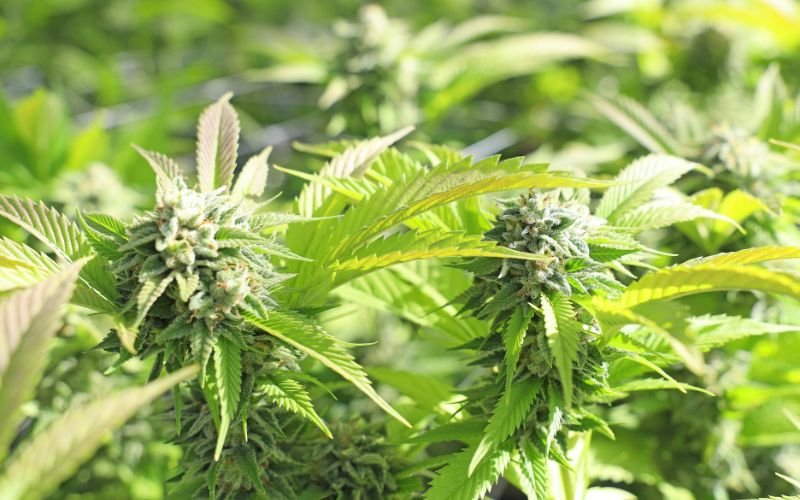
Growing cannabis clones in Ontario requires an understanding of the province’s changing seasons, temperature fluctuations, humidity, and frost risk. From the cooler conditions of early spring to the warmer days of summer and the return of cold weather in autumn, timing can influence how well young plants establish themselves.
Cannabis clones offer growers a way to start with established genetics rather than germinating seeds. However, a clone’s success depends on its health, the environment in which it is placed, and whether it is suited to the intended growing conditions.
Whether you are researching indoor cultivation or considering an outdoor garden, understanding Ontario’s climate can help you make informed decisions about plant selection and seasonal planning.
In this guide, we cover Ontario’s growing seasons, important climate considerations, indoor and outdoor differences, common plant-health concerns, and what to know before purchasing cannabis clones.
Understanding Ontario’s Climate for Cannabis Clones
Ontario covers a large geographic area, so growing conditions vary considerably by location. Southern Ontario generally experiences a longer frost-free period than many northern areas, while locations near the Great Lakes can experience different temperature patterns from inland communities.
These differences matter when evaluating the suitability of a growing environment for young cannabis plants.
Spring: Variable Temperatures and Frost Risk
Spring can bring warmer afternoons followed by cold nights. These fluctuations can create challenges for young plants, particularly when conditions change quickly.
A clone that has been maintained indoors or in a controlled environment may also need time to adjust to outdoor conditions.
Before considering outdoor placement, review your local forecast, overnight temperatures, and regional frost guidance. Calendar dates alone cannot establish that outdoor conditions are suitable.
Summer: Warmth, Sunlight, and Humidity
Ontario summers can provide long daylight hours and warm temperatures. However, heat waves, heavy rainfall, high humidity, and strong winds can create additional challenges.
Excess moisture and inadequate airflow may encourage fungal problems. Prolonged heat can also place stress on plants, particularly when their environment does not provide appropriate conditions.
For anyone maintaining plants indoors, ventilation and humidity management remain important throughout the summer.
Autumn: Cooler Nights and Increasing Moisture
Autumn brings shorter days, cooler nights, and a greater risk of frost as the season progresses. Rainfall and prolonged damp conditions can also become concerns.
These changes are particularly relevant to outdoor growers assessing whether a plant’s expected development period fits within the local growing season.
Because Ontario’s weather varies from year to year, regional forecasts and historical climate information are more useful than relying on a single province-wide date.
Ontario Cannabis Growing Calendar: What to Consider Each Season
There is no single calendar that works for every part of Ontario. The following guide outlines seasonal conditions to consider when researching legal home cultivation.
| Season | Typical conditions | Main consideration |
| Early spring | Variable temperatures and possible frost | Assess local weather and the plant’s current environment |
| Late spring | Generally warmer, but conditions can fluctuate | Review frost risk and outdoor suitability |
| Summer | Warmer days, longer daylight, occasional heat and humidity | Monitor environmental conditions and plant health |
| Early autumn | Shorter days and cooler nights | Consider local frost risk and the plant’s expected development |
| Late autumn and winter | Cold outdoor conditions in much of Ontario | Outdoor suitability becomes increasingly limited; indoor environments have different requirements |
This is a general climate guide, not a guaranteed planting schedule. Northern Ontario and other cooler locations may have substantially different conditions from areas around Windsor, Toronto, or the Niagara region.
Indoor vs. Outdoor Cannabis Clones in Ontario
The choice between indoor and outdoor cultivation depends on available space, environmental conditions, local restrictions, and the type of growing environment you can maintain.
Indoor Growing
Indoor environments allow greater control over temperature, lighting, ventilation, and humidity. They are not dependent on the same seasonal daylight and frost patterns as outdoor gardens.
However, indoor cultivation introduces other considerations, including electrical safety, ventilation, moisture control, and equipment requirements.
Health Canada advises that indoor growing areas should have sufficient ventilation to remove excess moisture and help prevent mould from developing on plants or inside the home.
Before choosing a clone for an indoor environment, review its documented characteristics and consider whether the available space and environmental controls are appropriate.
Outdoor Growing
Outdoor cultivation depends on natural sunlight and local weather. Ontario’s seasonal changes can make location and timing important factors in determining whether a particular plant is suitable for outdoor conditions.
Consider the following when evaluating an outdoor growing environment:
- Local frost dates and seasonal temperature patterns
- Exposure to wind and heavy rainfall
- Drainage and the risk of prolonged moisture
- Available sunlight and surrounding shade
- Local rules governing home cultivation and property use
Outdoor conditions can change quickly, so historical climate averages should be considered alongside current forecasts.
Why Clone Health Matters in Ontario’s Climate
Climate is only one part of successful plant establishment. The condition of the clone itself is equally important.
A plant with weak roots, pest damage, or an underlying pathogen may struggle even when environmental conditions appear favourable.
When assessing a cannabis clone, consider these indicators:
Root Development
Where roots are visible, look for healthy development rather than damaged or deteriorating roots. Ask the supplier how the plant has been maintained and whether it is established enough for the intended use.
Visible Plant Condition
Review the leaves and stems for unusual spotting, discolouration, visible pests, or other signs of stress. These observations cannot rule out every plant-health issue, but they can help identify concerns that deserve further investigation.
Pathogen Testing
Hop Latent Viroid (HLVd) is a plant pathogen relevant to cannabis cultivation. It can affect plant growth and productivity, and infection may not be obvious from a visual inspection alone.
Ask suppliers whether they conduct pathogen testing, what the testing covers, and how frequently it is performed.
Environmental Transition
Plants moved between different environments may experience stress. Ask about the conditions in which the clone has been maintained and whether the supplier provides guidance on its current stage of establishment.
Choosing healthy starting material and understanding its background can help reduce uncertainty, although no supplier can guarantee that a plant will thrive under every condition.
Common Climate Challenges for Ontario Growers
Temperature Fluctuations
Ontario’s weather can shift rapidly, particularly during spring and autumn. Changes between daytime and overnight temperatures can affect plant health.
What to consider: Use local weather information and evaluate the suitability of the plant’s environment rather than relying solely on seasonal averages.
High Humidity and Mould
Periods of rain and high humidity can increase moisture-related concerns. Indoors, insufficient ventilation can allow excess humidity to accumulate.
What to consider: Pay attention to airflow, moisture levels, and signs of fungal problems. Health Canada recommends adequate ventilation for indoor growing areas to help prevent mould.
Heat Waves
Summer heat can create stressful conditions, especially in enclosed spaces where temperatures may rise beyond the surrounding outdoor temperature.
What to consider: Evaluate the environmental controls available in your growing space and the documented characteristics of the plant.
Early Frost
An early frost can arrive before the date suggested by a typical seasonal calendar. This is particularly relevant in cooler parts of Ontario.
What to consider: Review local frost information and avoid assuming that all Ontario regions share the same outdoor growing window.
How to Choose Cannabis Clones for Your Growing Environment
When comparing cannabis clones, consider more than the strain name or its popularity.
1. Review the genetics. Ask for reliable information about the strain’s identity, lineage, and documented characteristics.
2. Check plant-health practices. Find out how mother plants are maintained and whether the supplier uses appropriate pest and pathogen screening.
3. Consider your environment. Evaluate whether the clone’s known characteristics suit your available space and intended growing conditions.
4. Ask about shipping. Live plants may be affected by handling and transportation. Review packaging practices, delivery information, and the policy for damaged arrivals.
5. Check availability and product details. Product listings, prices, and available varieties may change. Confirm the current information before ordering.
Cannabis Clones Canada provides a place to explore cannabis clone listings and compare available options. Review the current catalogue and individual product descriptions to determine which options meet your requirements.
Is Growing Cannabis Clones Legal in Ontario?
Ontario permits eligible adults aged 19 and older to grow cannabis for personal use, subject to applicable restrictions. The general home-growing limit is four cannabis plants per residence, not four plants per adult.
Ontario’s rules also specify that the starting material must be purchased from the Ontario Cannabis Store or an authorized retail store. Lease agreements, condominium rules, and other applicable restrictions may affect home cultivation.
Federal, provincial, and municipal requirements should be considered together. Rules for personal cultivation are not the same as requirements for commercial production or selling cannabis.
Before purchasing clones, verify that the source and intended activity comply with the applicable requirements.
For authoritative guidance, consult:
These official resources explain the general rules and safety considerations. Check them before making decisions about purchasing or cultivating cannabis.
Where to Find Cannabis Clones in Canada
Choosing a supplier involves checking plant health, genetic information, product availability, and shipping policies.
Cannabis Clones Canada is a resource for growers researching available cannabis clone varieties. Its catalogue can help you review current listings and determine what information is available for each product.
Before placing an order, confirm the supplier’s legal eligibility to sell the relevant starting material in Ontario, the applicable purchasing requirements, and the shipping terms.
Explore the available listings through the Cannabis Clones Canada website.
Frequently Asked Questions
When is the outdoor cannabis growing season in Ontario?
The outdoor growing season depends on the region, local frost dates, and the weather in a particular year. Southern Ontario generally has a longer frost-free period than northern Ontario. Check regional climate information rather than relying on one province-wide calendar.
Can cannabis clones be grown indoors throughout the year in Ontario?
Indoor cultivation is not governed by outdoor frost dates in the same way, but it still depends on suitable environmental conditions, adequate ventilation, electrical safety, and compliance with applicable laws.
Why is humidity important when growing cannabis clones?
Excess humidity and insufficient airflow can encourage mould and other moisture-related problems. Maintaining an appropriate environment is an important plant-health consideration.
What should I check before buying cannabis clones?
Review the plant’s visible condition, available genetic information, root development, pest and pathogen screening practices, and shipping policies. Ask questions if the supplier’s claims are unclear.
Does the same growing calendar work across all of Ontario?
No. Ontario’s size creates meaningful differences in frost risk, temperature patterns, and the length of the outdoor growing season. Local weather and climate information should guide any seasonal assessment.
How many cannabis plants can an eligible Ontario adult grow at home?
The general limit is four cannabis plants per residence for eligible adults, subject to provincial and other applicable restrictions. Ontario also has rules about the legal source of starting material. Consult the official Ontario cannabis laws for details.
Final Thoughts
Growing cannabis clones in Ontario requires attention to local climate, seasonal temperature changes, moisture, and plant health. The province’s diverse geography means that a calendar suitable for one region may not apply to another.
Before choosing a clone, review its documented characteristics, assess the growing environment, and ask the supplier about plant-health practices and genetic information. Understanding the legal requirements for home cultivation and purchasing starting material is equally important.
For growers researching available varieties, Cannabis Clones Canada provides a starting point for comparing listings and learning more about available options.
Explore Cannabis Clones Canada to review current product information and make an informed decision about your requirements.