
Blog, Cannabis Clones, Cultivation Techniques
13
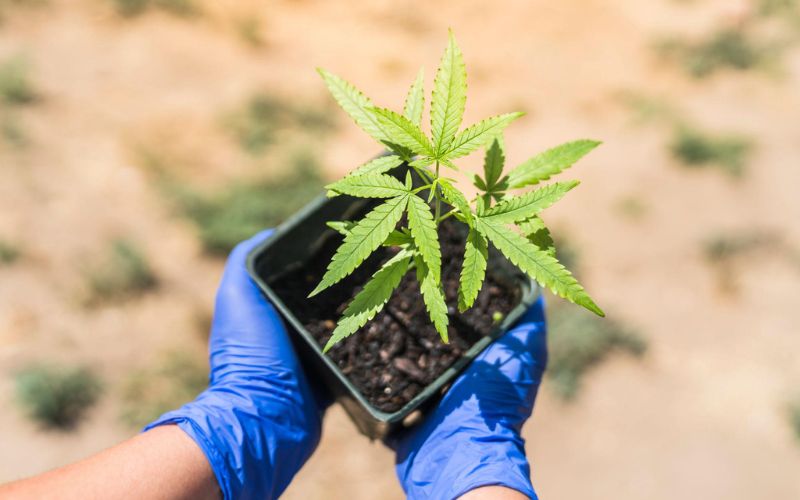
Planting cannabis clones outdoors in Canada requires more planning than simply waiting for spring to arrive. Temperatures can change quickly, late frosts can damage young plants, and the growing season varies considerably from one province to another.
For Canadian growers, timing is especially important when starting with rooted cannabis clones. Unlike seeds that are still germinating, clones already have roots and established growth that must adjust to outdoor conditions. Moving them outside too early can expose them to cold nights, strong winds, intense sunlight, and unpredictable spring weather.
So, when is the best time to plant cannabis clones outdoors in Canada?
For many regions, late May through June is a useful starting window, but the right date depends on your local frost risk, overnight temperatures, weather forecast, and the condition of your plants. In colder regions, waiting until June or later may be more appropriate.
This guide explains how to choose a suitable planting window, understand regional climate differences, prepare clones for outdoor conditions, and avoid common mistakes during the Canadian growing season.
Quick Answer: When Should You Plant Cannabis Clones Outdoors in Canada?
The best planting time depends on your location rather than a single nationwide date.
- Southern Ontario and southwestern Quebec: Late May to early June may be suitable after checking local restrictions and weather conditions.
- Southern British Columbia: Late May to June, depending on coastal or inland conditions.
- Alberta and Saskatchewan: Late May to mid-June, with extra attention to late frosts and temperature swings.
- Manitoba: Outdoor home cultivation is prohibited under provincial law, so check the current rules before planning any home grow.
- Atlantic Canada: Late May through June may be appropriate, depending on local temperatures, wind exposure, and frost risk.
- Northern Canada and higher-elevation locations: The outdoor season may be too short or unpredictable for some growing plans.
These are approximate climate-based planning windows, not guaranteed planting dates. They do not override provincial or territorial cultivation restrictions. In particular, outdoor home cultivation is prohibited in Newfoundland and Labrador and the Northwest Territories, while Quebec and Manitoba prohibit home cultivation generally. Verify the rules that apply to your location before proceeding.
1. Why Planting Time Matters for Cannabis Clones
Cannabis clones are cuttings taken from established mother plants. Once rooted, they carry the genetics of the original plant, which gives growers a more predictable starting point than growing from seed.
However, rooted does not mean outdoor-ready.
Clones are often raised in a relatively controlled environment. They may receive consistent light, moderate temperatures, and protection from wind. Outdoor conditions can be much less predictable, especially during a Canadian spring.
Cold temperatures and late frost
Spring sunshine can make a garden feel warm during the day, even when overnight temperatures remain too low for tender plants. Frost can injure young growth, and cold conditions can slow root activity and establishment.
Before planting, check both the local frost outlook and the forecast for overnight lows. A calendar date alone cannot tell you whether your garden is ready.
Sudden changes in sunlight
Plants raised indoors or under sheltered lighting may not be accustomed to direct outdoor sunlight. An abrupt change can cause leaf stress, bleaching, or scorched patches.
Gradual acclimation helps reduce this risk.
Wind and changing weather
Young clones can be more vulnerable to strong winds and rapid changes in temperature than established outdoor plants. An exposed garden may also dry out faster than expected.
Choose the planting date based on the conditions your plants will actually experience, not just the daytime high.
2. Best Time to Plant Cannabis Clones by Canadian Region
Canada has several distinct growing climates. Even within the same province, coastal areas, inland communities, urban gardens, and higher elevations can have different frost dates.
The following table offers a general planning reference for locations where outdoor home cultivation is legal.
| Region | Approximate planning window | Main consideration |
| Southern Ontario | Late May to early June | Check overnight lows and late-frost forecasts |
| Southern British Columbia | Late May to June | Coastal rainfall and cooler nights |
| Interior British Columbia | Late May to mid-June | Elevation and lingering cold nights |
| Alberta | Late May to mid-June | Temperature swings and late frost |
| Saskatchewan | Late May to mid-June | Short growing season and cool nights |
| Atlantic Canada, where permitted | Late May to June | Wind, rainfall, and local frost dates |
| Northern communities | June or later, where permitted | Shorter season and unpredictable conditions |
These windows are broad estimates, not official agricultural recommendations for every location. Local microclimates can shift the suitable timing by several weeks.
Southern Ontario
Southern Ontario generally experiences a more forgiving spring than many northern or prairie locations, but late cold snaps remain possible.
Growers should consider the local frost history, overnight temperatures, and whether the planting site is sheltered. Gardens in low-lying areas may remain colder than nearby elevated locations.
Late May or early June can be a reasonable planning target when conditions are favourable, rather than a fixed deadline.
British Columbia
British Columbia has substantial regional variation.
Coastal communities may experience milder winters but also persistent rain, damp conditions, and cool nights. Interior locations can have warmer summer days while still experiencing significant temperature drops overnight.
Use the local forecast and consider the actual growing environment. A sheltered coastal garden and an exposed inland site should not automatically follow the same planting schedule.
Alberta and Saskatchewan
The Prairie provinces can experience rapid temperature changes during spring. A run of warm days does not necessarily mean the risk of frost has passed.
A more cautious approach is to wait until local overnight conditions are consistently suitable and the extended forecast does not indicate an imminent cold snap. Late May through mid-June is a broad planning range, but some locations may require a later start.
Quebec and Manitoba
Before considering planting dates, check the legal restrictions.
Quebec and Manitoba prohibit ordinary recreational home cultivation. A gardening calendar does not create an exception to those rules. Anyone with a separate legal authorization should follow the conditions that apply to that authorization.
Atlantic Canada
Conditions vary across Nova Scotia, New Brunswick, Prince Edward Island, and Newfoundland and Labrador.
In places where outdoor home cultivation is permitted, coastal wind, damp weather, and cool overnight temperatures can influence planting decisions. Newfoundland and Labrador prohibits outdoor home cultivation, so a general planting window should not be treated as permission to grow outdoors there.
Northern Canada
Northern communities often have a shorter outdoor season, with colder nights and less predictable spring conditions.
The date alone is not enough to determine whether an outdoor planting plan is suitable. Check local regulations, frost history, and the length of the remaining growing season before making any decisions.
3. Five Signs Your Cannabis Clones Are Ready for Outdoor Conditions
Rather than relying entirely on the calendar, assess the plants and their environment together.
1. The risk of frost has passed
Review local frost dates and the current forecast. Historical averages are useful for planning, but they do not guarantee that a late frost will not occur.
2. Overnight temperatures are consistently suitable
Look for a stable pattern rather than one unusually warm evening. Cold nights can delay establishment even when afternoons feel comfortable.
3. The clones have healthy roots
Healthy rooted clones should be established in their growing medium, without obvious signs of severe wilting, root damage, or disease. A plant that is already struggling indoors may need attention before being exposed to additional environmental stress.
4. The plants have adjusted to outdoor light
Clones need time to acclimate to sunlight, wind, and changing humidity. Plants that have not been gradually introduced to these conditions may experience stress when moved outside.
5. The planting site has suitable conditions
Consider drainage, wind exposure, sunlight, and access to water. Waterlogged soil and exposed locations can create additional challenges during early establishment.
When several of these conditions are unfavourable, waiting is usually more sensible than rushing to plant.
4. How to Prepare Cannabis Clones Before Moving Them Outdoors
The transition from a controlled indoor environment to an outdoor garden is an important stage. This gradual process is known as hardening off.
Introduce outdoor conditions gradually
Begin by allowing plants to experience a sheltered outdoor environment for limited periods, then increase exposure gradually as they tolerate the change. Avoid immediately placing indoor-grown clones in intense direct sunlight or strong winds.
Keep an eye on the leaves and overall plant condition. Persistent wilting, unusual discolouration, or scorched patches may indicate that the transition is too abrupt.
Inspect plants for pests and disease
Check leaves, stems, and the growing medium before moving plants into an outdoor space. Introducing pests or plant pathogens can create problems for the new growing area.
Cannabis Clones Canada states that its clones are HLVd-tested. This can help reduce one specific plant-health risk, but no single test eliminates every possible pest or disease concern.
Check the growing medium and drainage
Outdoor conditions can change how quickly a container or garden bed dries. Ensure the growing medium drains appropriately and that plants are not left sitting in waterlogged conditions.
Avoid making several major environmental changes at once. A gradual transition makes it easier to identify the cause of any stress.
Prepare for changing weather
Have a practical plan for unexpected cold nights, heavy rain, or strong winds. A sheltered location can reduce exposure while plants adjust.
Do not assume that a warm forecast several days in advance guarantees suitable conditions throughout the week.
5. Common Mistakes to Avoid When Planting Cannabis Clones Outdoors
Even healthy clones can struggle if the timing or transition is poorly managed.
Planting too early: A few sunny days can create a false sense of security. Check overnight temperatures and local frost warnings.
Skipping hardening off: Indoor-grown plants may not tolerate an abrupt change to direct sunlight, wind, and outdoor humidity.
Ignoring local climate differences: Planting dates suitable for one Ontario city may not be suitable for an elevated or northern location.
Overwatering: Cool, wet conditions can slow the drying of growing media. Assess moisture rather than watering automatically on a fixed schedule.
Introducing unhealthy plants: Inspect new clones and isolate plants that show signs of pests or disease while you assess the problem.
Ignoring local regulations: Federal, provincial, territorial, municipal, tenancy, and condominium rules may affect whether and where home cultivation is allowed.
The most useful principle is simple: make decisions based on the actual weather, plant health, and applicable rules rather than following a date without checking the conditions.
6. Should You Buy Cannabis Clones Before Spring?
Planning ahead can help growers understand which genetics they want and when they may be able to start, but ordering too early without a suitable growing environment can create unnecessary complications.
Before ordering, consider:
- Whether home cultivation is legal in your province or territory.
- Whether the plants will have a suitable environment when they arrive.
- How much time you need to prepare the growing area.
- The expected delivery period and the supplier’s shipping guidance.
- Whether you can inspect and care for the clones promptly after delivery.
Cannabis Clones Canada offers rooted cannabis clones and describes its shipping process, plant-health practices, and arrive-alive guarantee on its website. Review the current product information and shipping policies before ordering.
Explore the Cannabis Clones Canada to learn more about available genetics and the company’s approach to supplying rooted plants.
Planning the delivery around your local growing conditions is more useful than ordering according to a national planting date.
7. What About Daylight Hours and the Outdoor Growing Season?
Temperature is not the only factor that influences outdoor cannabis growth. Day length also changes throughout the Canadian growing season.
Photoperiod-sensitive cannabis varieties respond to changes in the duration of light and darkness. Their development can therefore differ according to genetics and seasonal conditions. Autoflowering varieties behave differently because flowering is not triggered in the same way by shortening day length.
This is one reason growers should avoid assuming that every clone will follow an identical outdoor schedule.
Before choosing genetics, review the available strain information and consider whether its growth characteristics suit your local climate and the length of the outdoor season.
A suitable planting date should account for both the weather at the beginning of the season and the conditions likely to occur later in the year.
8. Legal Considerations for Growing Cannabis Outdoors in Canada
Canada’s federal Cannabis Act permits adults of legal age to grow up to four cannabis plants per dwelling-house for non-medical purposes, subject to applicable restrictions. However, provincial and territorial rules can be more restrictive.
For example, Quebec and Manitoba prohibit ordinary home cultivation, while Newfoundland and Labrador and the Northwest Territories prohibit outdoor home cultivation. Additional municipal, tenancy, condominium, or property-specific restrictions may also apply. Medical cultivation can be subject to a separate authorization framework.
Before purchasing or planting clones, consult the current requirements for your province or territory and municipality. Health Canada’s guide to growing cannabis at home safely provides further information about legal compliance and safety.
This article is for educational purposes and is not legal advice. Regulations can change, so verify the rules that apply to your circumstances.
Frequently Asked Questions
When is the best month to plant cannabis clones outdoors in Canada?
For many locations where outdoor home cultivation is permitted, late May or June is a useful starting point. The suitable date depends on local frost risk, overnight temperatures, and regional weather conditions.
Can I plant cannabis clones outdoors in May?
May may be suitable in some warmer areas, but it is not automatically safe across Canada. Check local frost forecasts, nighttime temperatures, and the conditions at your planting site before deciding.
What temperature is too cold for cannabis clones?
There is no single temperature that determines whether every clone will be safe. Cold tolerance depends on the plant’s condition, the duration of exposure, wind, moisture, and other environmental factors. Frost presents a particularly serious risk to tender growth, so avoid exposing clones to freezing conditions.
Do cannabis clones need to be hardened off?
Yes. Clones raised indoors or in a sheltered environment should be gradually introduced to outdoor sunlight, wind, and changing humidity. This helps reduce the stress associated with sudden environmental changes.
Are rooted cannabis clones ready to plant immediately?
Not necessarily. Rooted clones have an established root system, but they may still need time to adjust to their destination and outdoor conditions. Assess plant health, delivery condition, and local weather before moving them outside.
Is outdoor cannabis cultivation legal throughout Canada?
No. Federal law does not override every provincial, territorial, or municipal restriction. Some jurisdictions prohibit home cultivation entirely or prohibit outdoor home cultivation specifically. Check the current rules before purchasing or planting clones.
Should I follow the same planting calendar every year?
No. Seasonal weather varies from year to year. Use regional climate information to plan ahead, then reassess the local forecast before planting.
Final Thoughts: Let Local Conditions Determine Your Planting Date
The best time to plant cannabis clones outdoors in Canada is when local weather, plant health, and legal requirements align.
Late May through June provides a useful general planning window for many regions where outdoor cultivation is permitted, but colder areas may need to wait longer. Frost risk, overnight temperatures, regional climate differences, and gradual acclimation all matter more than following a fixed date.
By preparing in advance, checking the weather, and choosing genetics suited to your growing environment, you can make a more informed decision about when to move rooted clones outdoors.
Looking for rooted cannabis clones? Visit Cannabis Clones Canada to explore available genetics and learn more about its plants and shipping policies.