
2
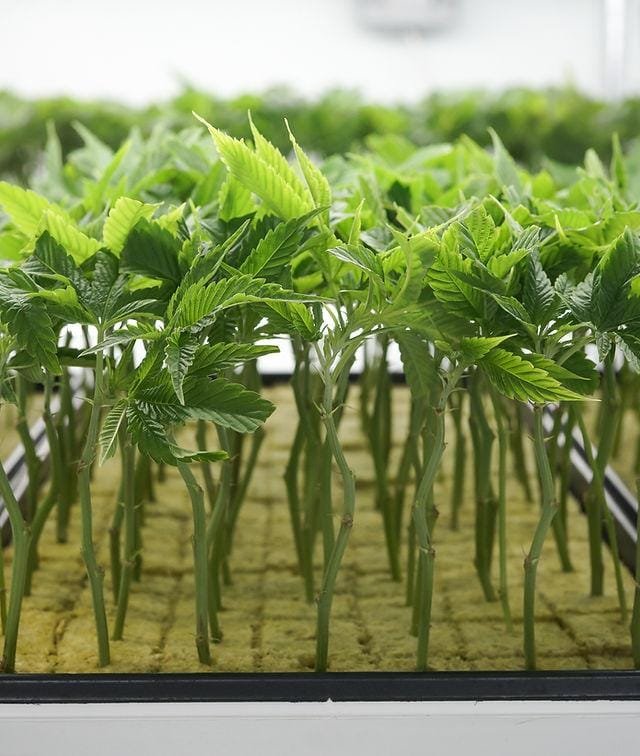
Buying cannabis clones online can be a convenient way for Canadian home growers to find established genetics without starting from seed. However, purchasing a live cannabis plant online is different from buying ordinary gardening products.
The quality of the clone, the reputation of the seller, shipping practices, plant health, genetics, and legal requirements all deserve attention before placing an order.
For Canadian growers, the most important rule is simple: know who you are buying from and make sure your purchase complies with the laws that apply where you live.
Health Canada advises adults who grow cannabis at home to obtain seeds or immature flowering plants from legal sources, such as authorized retailers in their province or territory. Provincial, territorial, and municipal rules can also add requirements or restrictions.
Here is what to consider before buying cannabis clones online in Canada.
What Is a Cannabis Clone?
A cannabis clone is a young plant produced from a cutting taken from a mature mother plant.
Instead of beginning with a seed, a clone starts with plant material that has already developed from established genetics. Once the cutting develops roots, it can continue growing as an independent plant.
One reason growers choose clones is consistency. A clone is intended to carry the genetics of its mother plant, which can make it attractive to growers who already know the characteristics they want.
However, genetics are only one part of the equation. The quality of the clone you receive can have a significant effect on how well it establishes after arrival.
Why Buy Cannabis Clones Online?
Buying online can give Canadian growers access to a wider selection of genetics than may be available locally.
Depending on the supplier, you may be able to compare:
- Different cannabis cultivars
- Indica-dominant, sativa-dominant, and hybrid genetics
- Different growth characteristics
- Indoor and outdoor options
- Established rooted clones
- Availability by province
- Shipping and replacement policies
Online shopping also makes it easier to research a supplier before purchasing.
Instead of choosing a plant based only on what is available at a local store, you can take time to review the seller’s website, policies, available genetics, customer information, and legal details.
But convenience should not replace due diligence.
1. Check Whether the Seller Is a Legal Source
This should be your first step.
Health Canada states that people growing cannabis at home should buy seeds or immature flowering plants from legal sources, such as authorized retailers in their province or territory. It is illegal to use seeds or grow plants that you know came from illegal sources.
Provincial and territorial governments are responsible for determining how cannabis is sold and distributed within their jurisdictions. They can also establish additional requirements related to personal cultivation.
Before ordering, check:
- Whether the seller is legally authorized to sell the product
- Whether the seller operates within the applicable provincial framework
- Whether age verification is required
- Whether the seller clearly explains its legal status
- Whether the product can legally be sold and delivered to your location
Do not assume that a website is legal simply because it accepts online orders.
2. Be Careful With Websites That Ship Cannabis Everywhere in Canada
One warning sign identified by Health Canada is an online cannabis retailer that claims to ship cannabis everywhere in Canada.
Health Canada’s guidance lists several signs that may indicate an illegal cannabis retailer, including:
- No age verification
- Promotions or referral bonuses
- Claims that products can be shipped everywhere in Canada
- Requests for unusual payment methods such as cryptocurrency or e-transfer
- Lack of appropriate legal information
These signs should encourage you to investigate further before providing payment or personal information.
A professional-looking website does not automatically mean a business is authorized.
3. Research the Cannabis Clone Supplier
Once you establish that a seller operates through an appropriate legal channel, research the business itself.
Look for clear information about:
Company Information
A legitimate business should provide information about who operates the website and how customers can contact the company.
Clone Genetics
The seller should clearly identify the genetics or cultivar being offered.
Plant Condition
Find out whether the plants are rooted and what stage of development you can expect when they arrive.
Shipping Policy
Live plants require different handling from ordinary merchandise. Read the shipping information carefully.
Replacement or Guarantee Policy
If the company offers an arrive-alive or replacement guarantee, read the conditions before ordering.
Customer Support
Look for a clear way to contact the business if you have questions before or after your purchase.
The more transparent the supplier is, the easier it is to make an informed decision.
4. Look for Healthy, Well-Established Clones
Price should not be the only factor when comparing cannabis clones online.
A low-priced clone may not represent good value if it arrives weak, poorly rooted, stressed, or otherwise unsuitable for your growing environment.
Before purchasing, look for information about:
- Root development
- Plant size
- General plant health
- Pest inspection
- Disease prevention
- Mother-plant management
- Packaging
- Shipping conditions
If photographs are provided, look closely at the plants rather than focusing only on the cultivar name.
Healthy foliage and an established root system are important considerations when choosing a young plant.
5. Ask About the Genetics
One major reason growers choose clones is genetic consistency.
When you buy a clone, you are generally selecting genetics from a specific mother plant rather than starting with an unknown seedling.
Ask the supplier:
- What cultivar is this clone?
- Where do the genetics come from?
- Is the clone taken from a maintained mother plant?
- How long has the supplier maintained the genetics?
- Is the cultivar suitable for indoor or outdoor growing?
- Are there any known characteristics growers should understand?
Good genetic information helps you choose a plant that fits your growing environment.
Do not choose a clone solely because a cultivar has a popular name. Consider whether its characteristics make sense for your particular setup.
6. Consider Your Growing Environment Before Ordering
The right clone for one grower may not be the right choice for another.
Before buying, think about where you intend to grow.
Indoor Growing
Indoor growers generally have greater control over environmental factors such as:
- Temperature
- Humidity
- Lighting
- Airflow
- Plant height
- Available growing space
Because space can be limited, consider the plant’s expected growth structure before ordering.
Outdoor Growing
Outdoor growing introduces additional environmental variables.
Canadian growers need to consider their local climate and the length of the outdoor growing season. Temperature, rainfall, humidity, and late-season conditions can affect plant development.
A cultivar that works well in one part of Canada may not necessarily be suitable for another location.
7. Understand Shipping Before You Buy
Shipping is particularly important when purchasing a live cannabis clone online.
A rooted plant is more sensitive to transportation than a conventional packaged product.
Before ordering, check:
- Shipping days
- Delivery timeframe
- Packaging method
- Tracking availability
- Weather-related shipping policies
- What happens if the plant arrives damaged
- What happens if the plant does not survive transportation
- Whether delivery is available to your province or territory
If the seller does not clearly explain its shipping process, ask questions before placing the order.
Do not wait until after the plant arrives to discover that you were expected to follow specific procedures for reporting shipping damage.
8. Read the Seller’s Guarantee Carefully
Some cannabis clone suppliers provide an arrival guarantee or replacement policy.
That can provide useful protection when purchasing live plants, but every guarantee has conditions.
Check whether the policy requires:
- Photos immediately after delivery
- Photos of the packaging
- A claim within a specific number of hours
- Specific planting or care instructions
- Evidence of shipping damage
- A particular method of contacting the supplier
Read the complete policy before ordering.
A guarantee is only useful if you understand what is covered and what you need to do if something goes wrong.
9. Protect Your Personal and Payment Information
Online cannabis shopping involves providing personal information, so basic cybersecurity matters.
Before entering payment details, check that:
- The website uses HTTPS
- The business provides legitimate contact information
- The checkout process is secure
- The privacy policy is available
- The payment process is clearly explained
Be particularly cautious if a website pressures you to send money through unusual payment channels or asks for unnecessary personal information.
Health Canada specifically identifies requests for payment by e-transfer or cryptocurrency as one potential warning sign of an illegal cannabis retailer.
That does not mean a payment method alone proves that a website is illegal. It is one factor to consider alongside the seller’s authorization and other business information.
10. Understand the Legal Plant Limit
If you are buying cannabis clones for personal cultivation, you also need to understand how many plants you can legally grow.
Under federal law, adults of legal age can grow up to four cannabis plants per household, subject to provincial, territorial, and municipal restrictions. Some jurisdictions can impose additional cultivation requirements or restrictions.
This means you should not assume that the federal four-plant limit is the only rule that applies to you.
Before ordering:
- Check the rules for your province or territory.
- Check applicable municipal bylaws.
- Review rental or condominium restrictions if relevant.
- Confirm the applicable age requirement.
- Make sure your planned number of plants complies with the rules.
Health Canada recommends contacting your local government about specific regulations that may apply to home cultivation.
11. Avoid Illegal or Unverified Clones
It can be tempting to purchase a clone from an unknown seller because of a lower price or a rare-sounding cultivar.
However, unknown sources create additional risks.
Health Canada warns that cannabis from illegal sources is not subject to the same quality controls and may expose consumers to contaminants such as pesticides, mould, bacteria, or heavy metals.
For plants and starting material, the source matters as well.
An unknown clone could arrive with:
- Pest problems
- Disease
- Poor root development
- Incorrect genetics
- Severe stress
- Unknown treatment history
A cheaper purchase can become much more expensive if it introduces problems into your growing environment.
12. Do Not Rely Only on Online Reviews
Reviews can be useful, but they should not be your only method of evaluating a cannabis clone supplier.
A better approach is to look at several factors together.
Consider:
Business transparency + legal status + clone information + shipping policy + guarantee + customer support + independent reputation
Reviews can sometimes be incomplete, outdated, or difficult to verify.
Use them as one part of your research rather than as the sole reason to choose a supplier.
13. Ask Questions Before Placing Your Order
If the website does not answer an important question, contact the supplier before purchasing.
You could ask:
“Are these clones fully rooted when shipped?”
“How are the plants inspected before shipping?”
“What information is available about the mother plant and genetics?”
“How are live plants packaged for delivery?”
“What should I do if the clone arrives damaged?”
“What is your replacement or arrival guarantee?”
“Do you legally ship to my province?”
A supplier’s response can tell you a lot about how transparent and prepared the business is.
Cannabis Clone Buying Checklist
Before clicking the checkout button, run through this checklist.
Legal and Seller Checks
- Seller operates through an appropriate legal channel
- Age requirements are clearly explained
- Provincial availability is clear
- Seller provides legitimate business information
- Legal and privacy information is available
Clone Quality Checks
- Genetics are clearly identified
- Clone is rooted or its condition is clearly described
- Plant health information is available
- Pest and disease prevention is addressed
- Mother-plant or genetic information is provided where appropriate
Shipping Checks
- Shipping policy is clear
- Packaging information is available
- Tracking is provided where applicable
- Damage/replacement policy is explained
- Weather-related shipping procedures are clear
Customer Protection
- Website uses HTTPS
- Payment process is clearly explained
- Privacy policy is available
- Customer support is accessible
- Guarantee terms have been reviewed
Why Buying From a Reputable Canadian Clone Supplier Matters
When you buy a cannabis clone, you are not simply buying a product in a box.
You are purchasing a living plant with specific genetics and specific care requirements.
A reputable supplier should make it easier for you to understand what you are buying, how the plant will be shipped, what condition you can expect it to arrive in, and what to do if there is a problem.
For Canadian growers, choosing a supplier that understands local shipping conditions and applicable Canadian requirements can also make the purchasing process easier.
Cannabis Clones Canada provides Canadian growers with access to cannabis clones and information about selecting and caring for starting plants. Before ordering, review the available genetics, shipping information, and purchasing policies so you can choose a clone that fits your growing plans.
Frequently Asked Questions
Is it legal to buy cannabis clones online in Canada?
The legality depends on the source, your province or territory, and the applicable cannabis rules. Health Canada advises home growers to obtain seeds or immature flowering plants from legal sources, such as authorized retailers in their province or territory.
How do I know if an online cannabis clone seller is legitimate?
Check the seller’s legal status, provincial availability, age-verification process, business information, product details, shipping policies, and customer support. Health Canada also provides information about authorized cannabis retailers and warning signs associated with illegal online retailers.
What should I look for in a cannabis clone?
Look for clearly identified genetics, healthy plants, established roots, transparent product information, and a clear shipping and replacement policy.
Should cannabis clones arrive rooted?
If you are purchasing a rooted clone, the supplier should clearly state that the plant has an established root system. Always check the product description before ordering.
Can cannabis clones be shipped anywhere in Canada?
Do not assume that a supplier can legally ship cannabis plants to every province or territory. Cannabis distribution rules are administered within provincial and territorial frameworks, and requirements can differ by jurisdiction.
How many cannabis plants can I grow at home in Canada?
Federal law allows adults of legal age to grow up to four cannabis plants per household, subject to provincial, territorial, and municipal restrictions.
What if my cannabis clone arrives damaged?
Check the supplier’s shipping and guarantee policy before ordering. If the supplier requires photographs or a claim within a particular timeframe, follow those instructions carefully.
Are online cannabis clones safe to buy?
Safety depends heavily on the source. Buying through an appropriate legal channel helps reduce the risks associated with unregulated products and unknown plant sources. Health Canada recommends obtaining seeds and immature plants from legal sources.
Final Thoughts
Buying cannabis clones online can be a practical option for Canadian growers who want established genetics rather than starting from seed.
But choosing the right clone is only part of the process.
Before ordering, verify the seller, research the genetics, check plant health information, understand shipping and guarantee policies, protect your payment information, and confirm the rules that apply in your province or territory.
Most importantly, do not choose a cannabis clone solely because it is cheap or because a website promises nationwide delivery.
Take the time to verify the source and understand what you are purchasing.
For Canadian growers looking for established cannabis genetics, Cannabis Clones Canada can be a starting point for exploring available clone options and learning more about the buying process.
Always verify current Canadian and local requirements before purchasing or growing cannabis.